More Than a University Project: My Journey with M-Kinetic
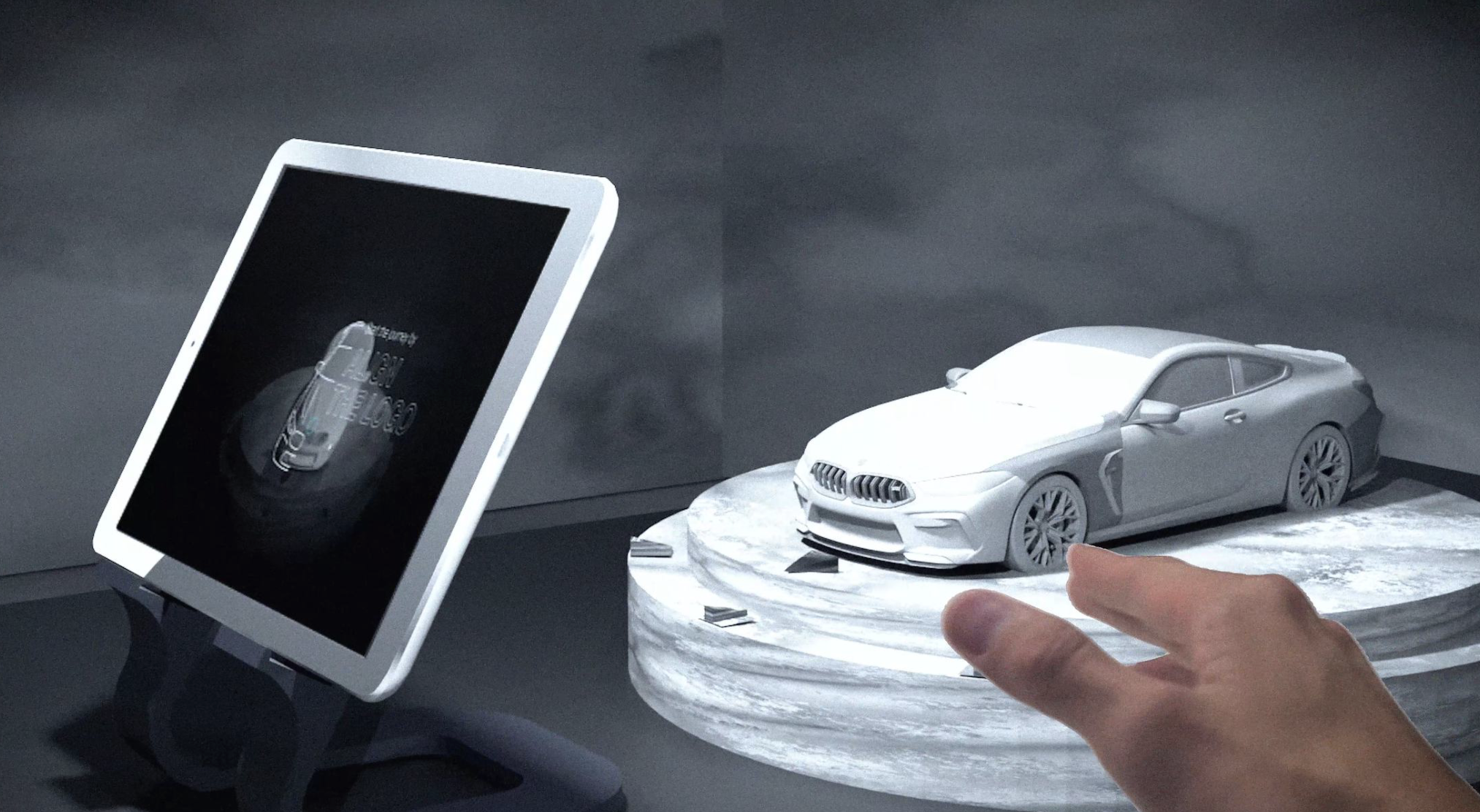
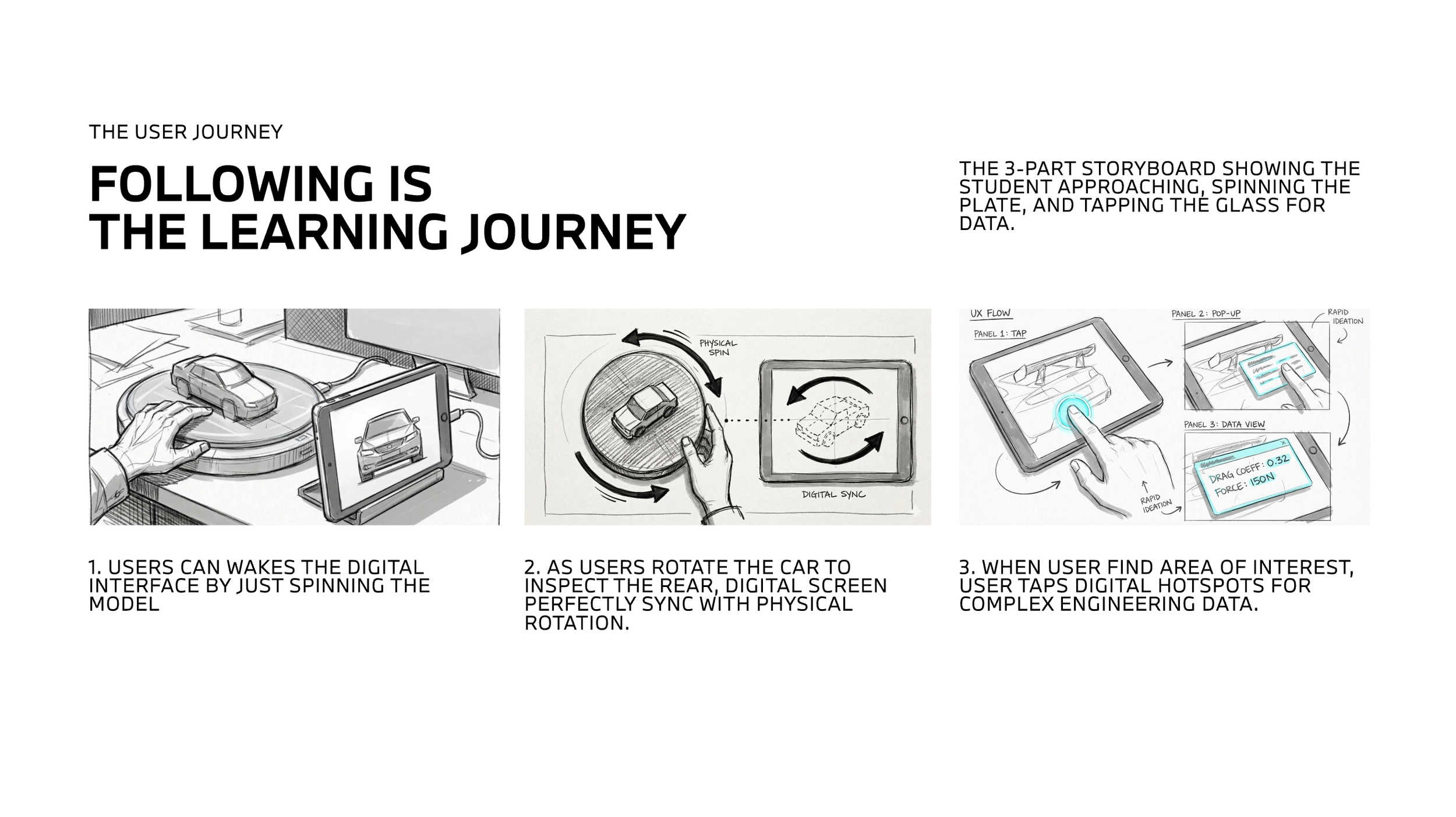
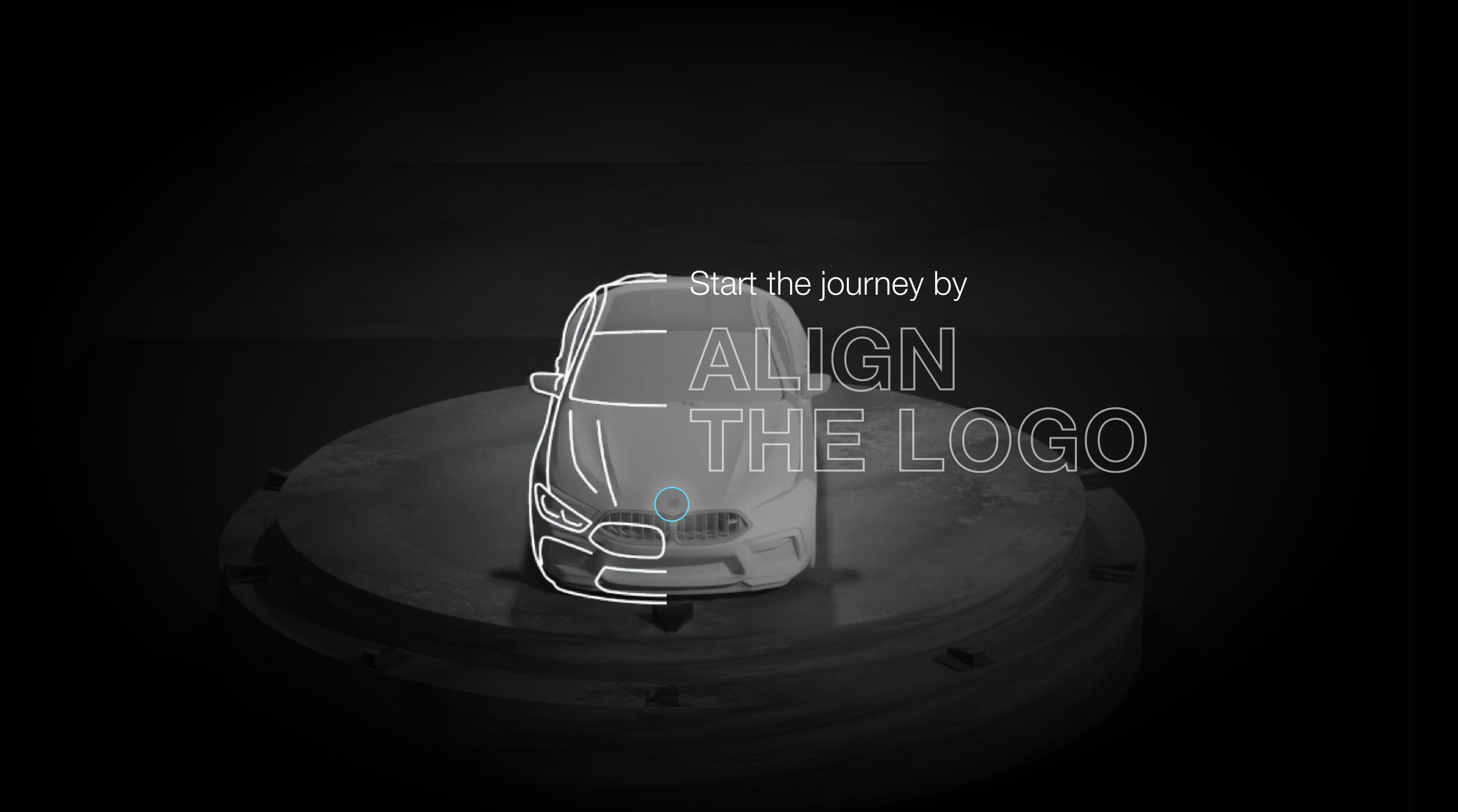
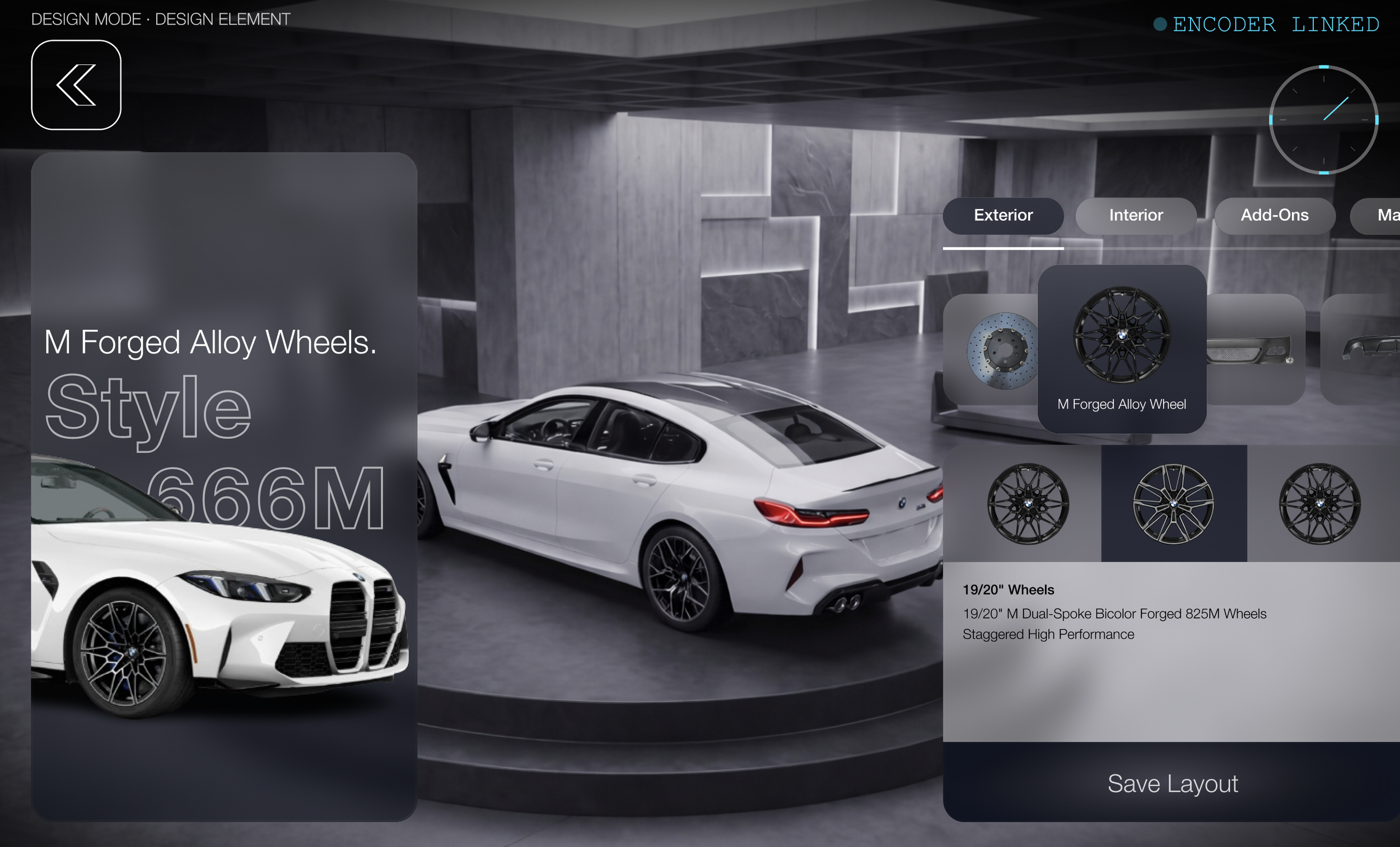
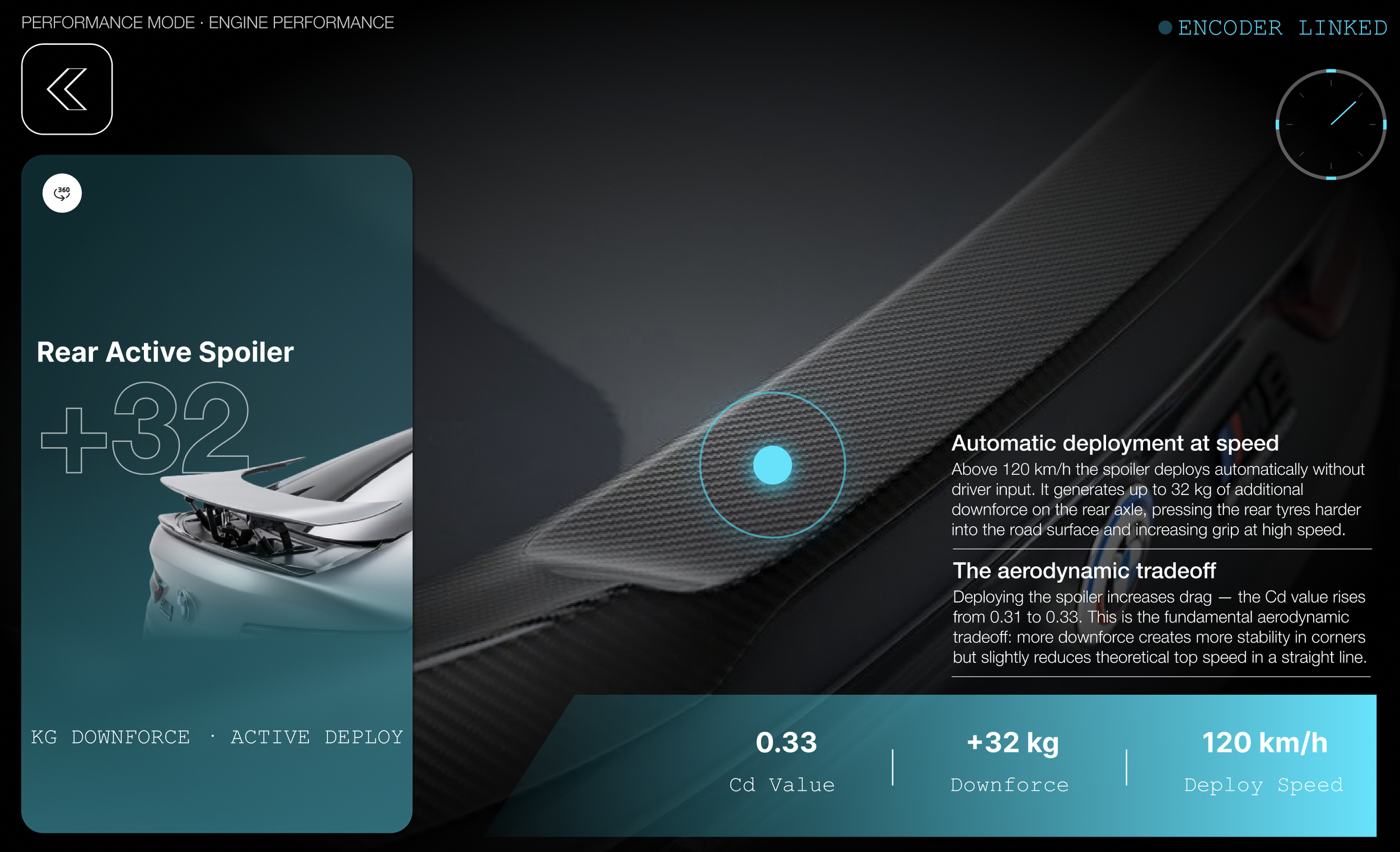
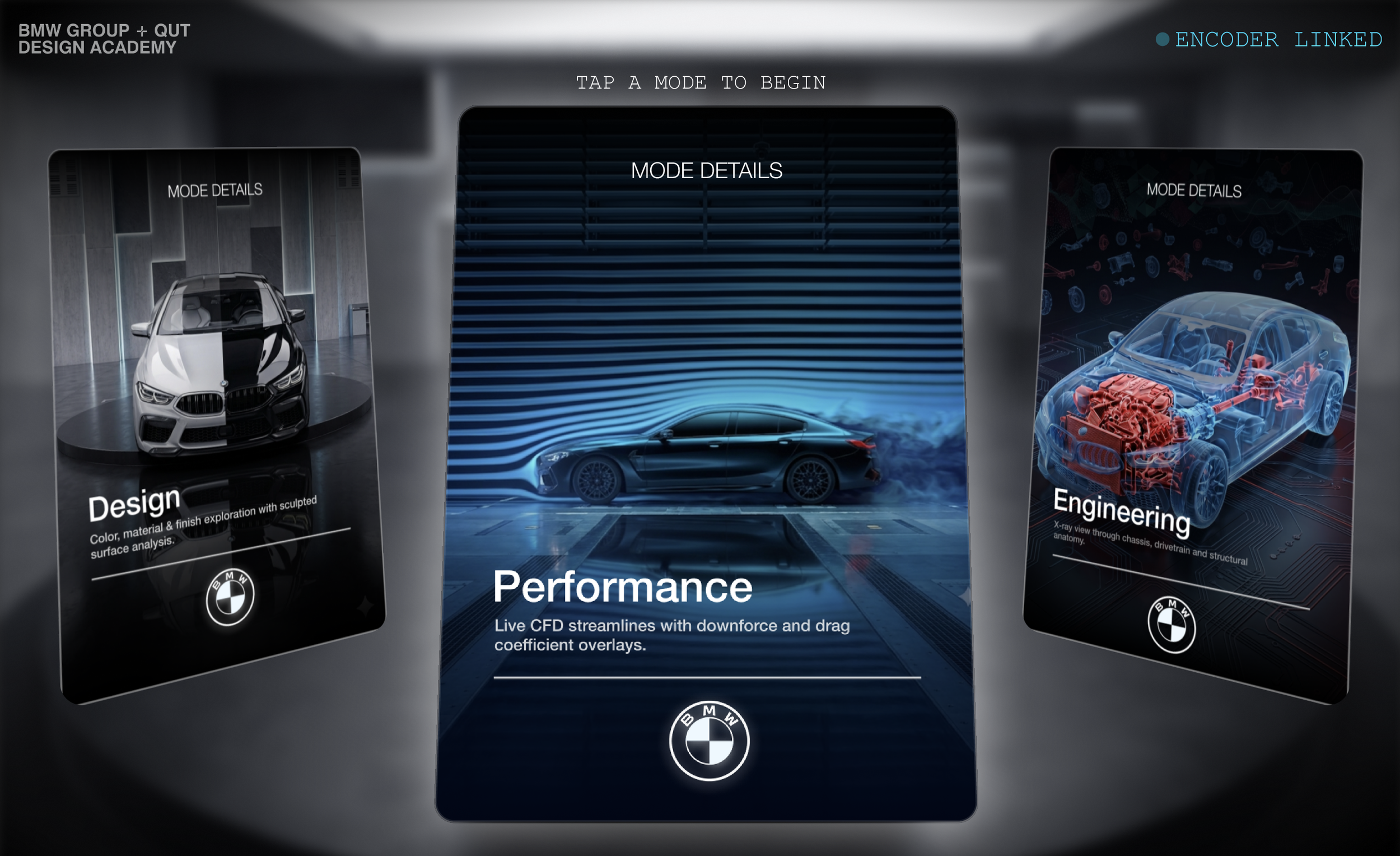
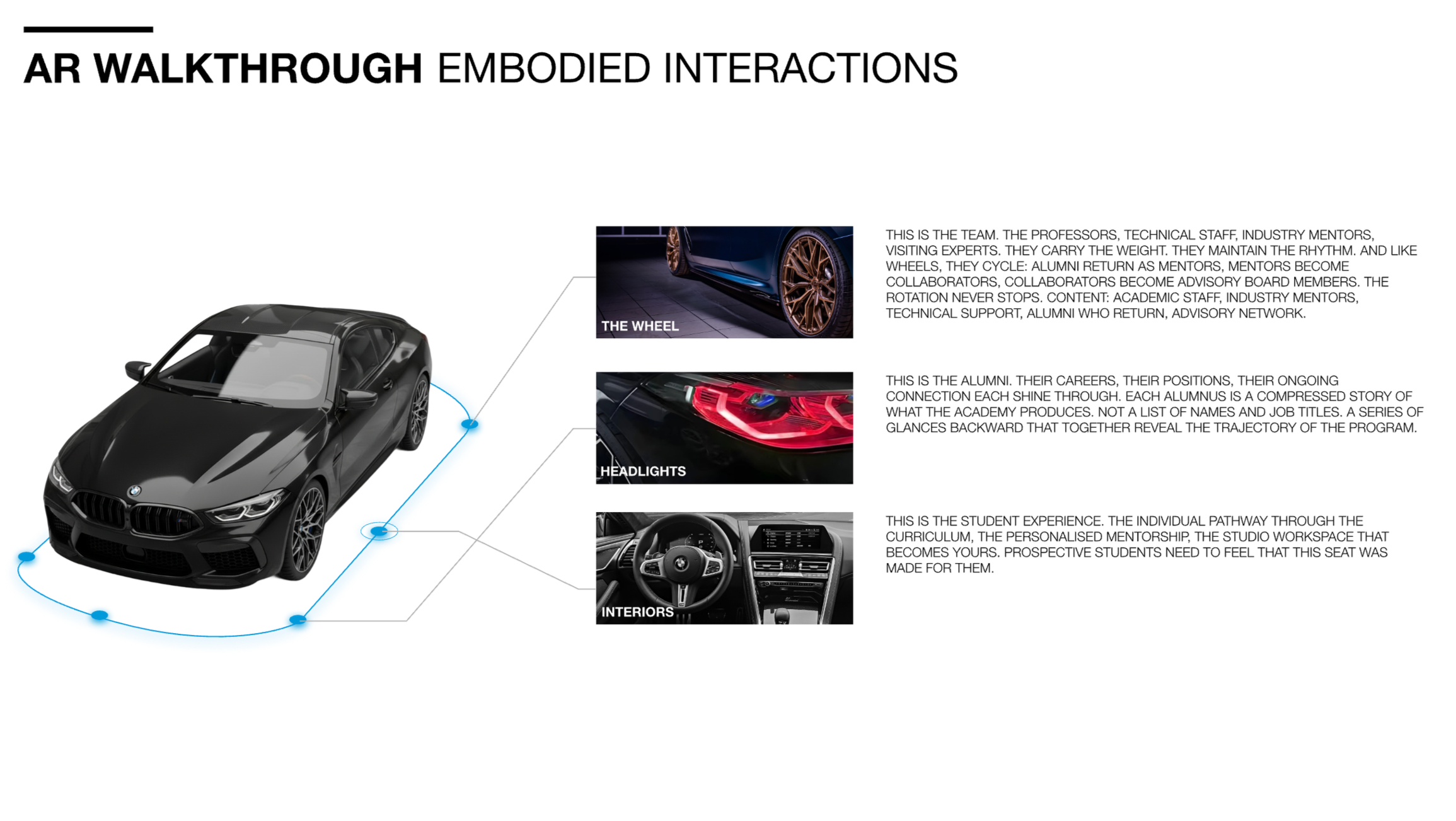
What I liked most about this project was that it did not feel like a typical university exercise. M-Kinetic is genuinely exciting to me, not simply because it uses augmented reality, but because it challenges the conventional idea of what AR can be. Rather than pointing a screen at something and watching a flat overlay appear, this project fuses a physical object with a digital interface in a way that makes the learning feel real and tangible.
I also appreciated how the project consistently pushed me beyond what I thought was possible from a starting sketch. Even though the final outcome is a proposal rather than a fully built installation, I genuinely value the entire journey. It challenged me creatively, technically, and personally, and gave me a stronger understanding of how ideas can evolve into meaningful experiences.
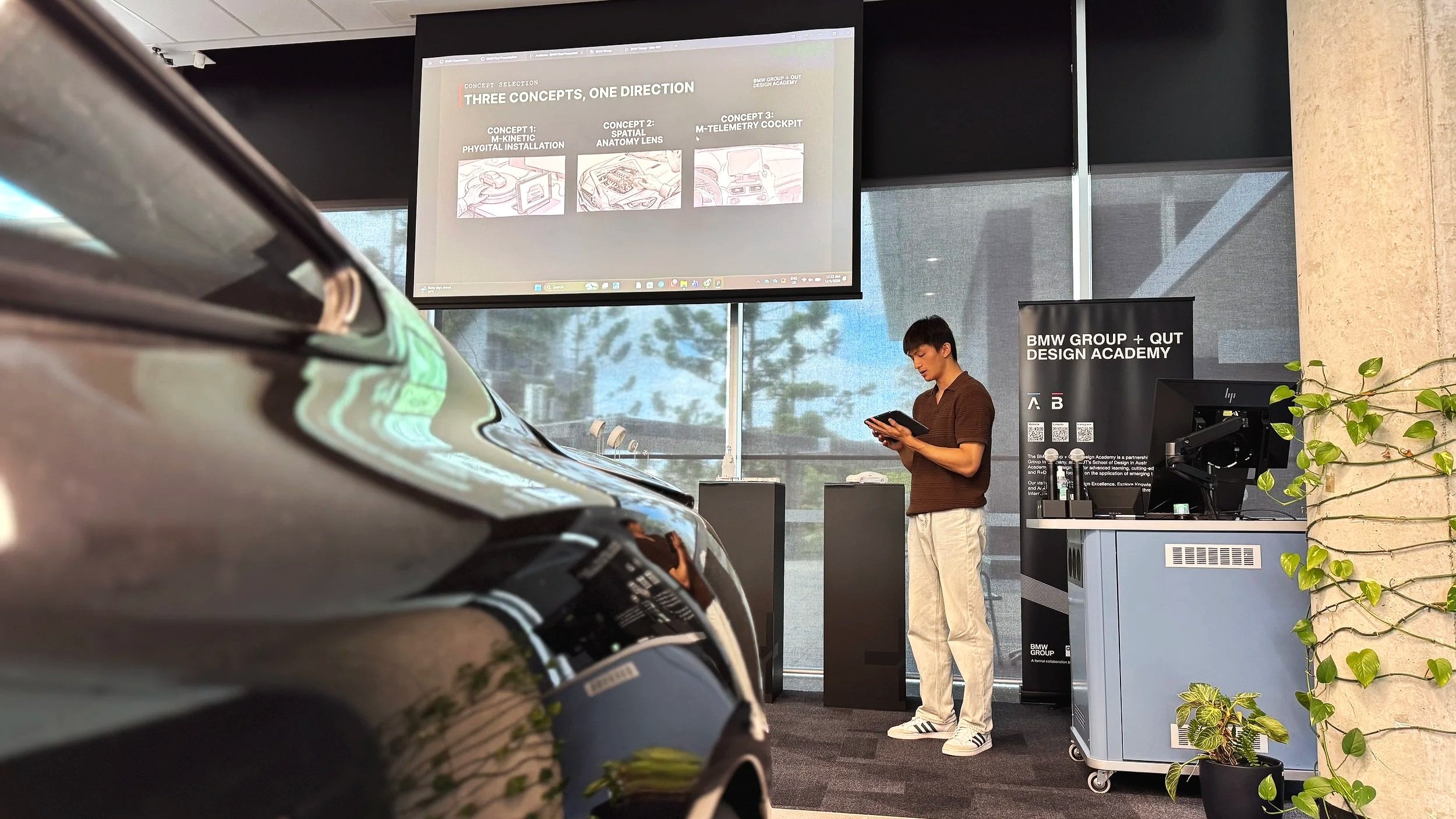
One of the most valuable learning experiences this semester was being part of a multidisciplinary environment. Watching others present their work, each with their own aesthetic, way of thinking, and presentation style, gave me a much broader sense of what design practice can look like. On a more practical level, I learned how to build a complete visual system from scratch. I also learned how critical timeline management is at an industry level. Keeping myself on track without a rigid structure required a level of self-discipline that I had not previously experienced to the same extent.
At the same time, the skill I most clearly lacked throughout this project was communication. Being an international student does not excuse this; rather, it makes it even more important to work on. I struggled at times to articulate my ideas clearly during presentations and in conversations with my supervisor. I recognised this challenge early and worked to improve throughout the semester, but I know I have not yet reached the standard I want to achieve. Confidence in verbal communication is deeply connected to this—when I am not confident in expressing an idea, it affects how I present myself and my work. This is the area I am most committed to developing moving forward.
Looking ahead, I want to become a designer who can build visual systems that are both technically rigorous and, in a sense, “cool.” This project gave me a strong foundation in that direction, but I know there is still much more to learn and develop. Alongside that, I aspire to communicate with the same clarity and confidence that I bring to my design work. For a designer whose work involves constantly presenting ideas to clients and collaborators, verbal communication is not optional—it is a core professional skill.
I would strongly recommend this unit to any student who is serious about entering industry, specifically because it does not hold your hand. That discomfort, in many ways, is the most valuable part of the experience.
Raymond Chin
BMW Group Design Intern, 2026